What happens to the salt? Options under assessment
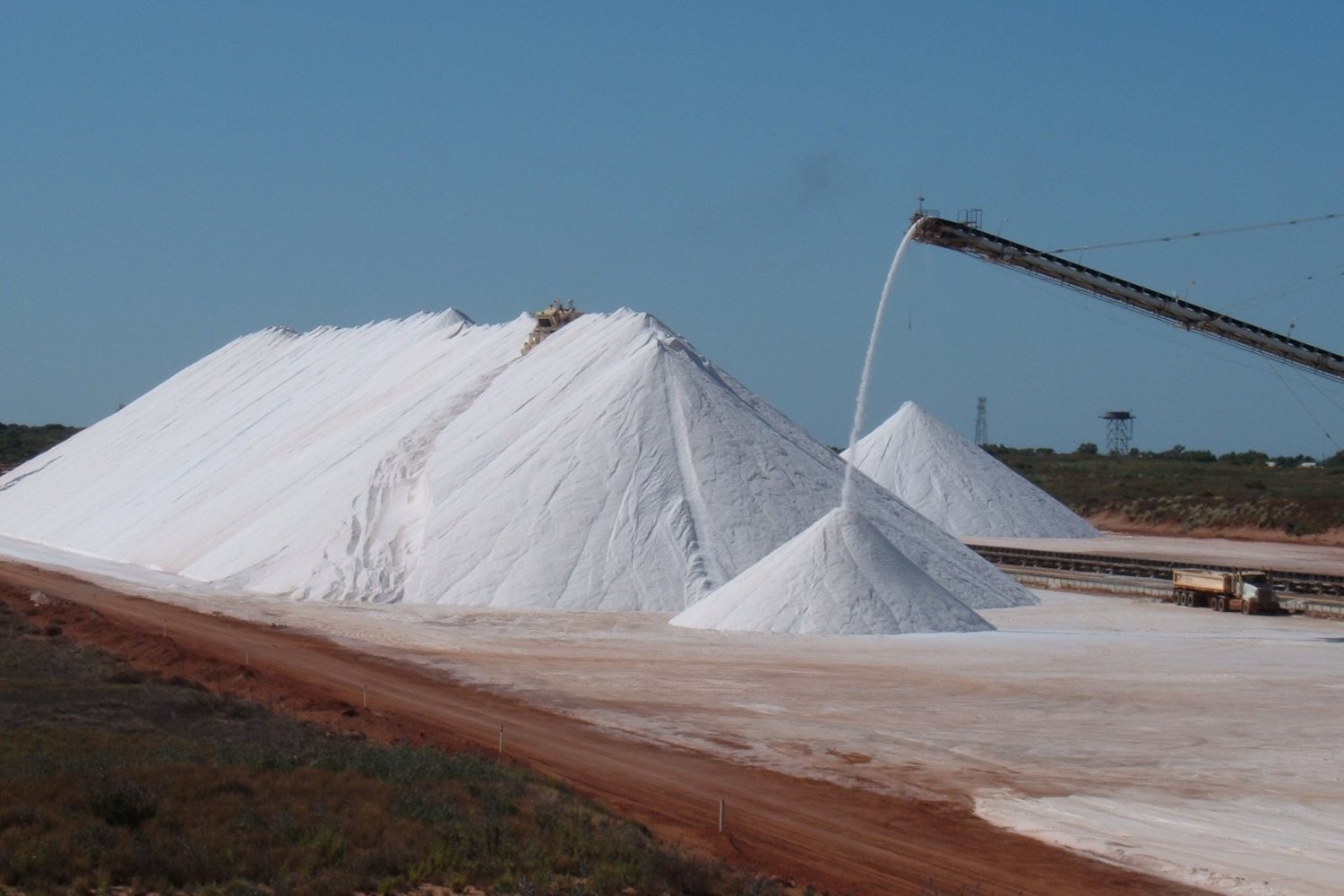
At around 847 tonnes a year over a 50 year design life, the proposed structure would hold back about 42,000 tonnes of salt. Section 4 of the Preliminary Environmental Considerations Statement notes that options for its long-term storage and removal are still being assessed. The four options under consideration are set out below.
| Option | Description | Notes |
|---|---|---|
| 1. Storage behind the wall | Salt is held on the beach side of the structure. | Fifty years of salt would occupy about 35,000 cubic metres, or roughly 14 Olympic swimming pools, and would be likely to affect the height of the sand. |
| 2. Removal by truck | Salt is removed from the beach by road. | At 25 tonnes a load, around 34 truck movements a year would keep pace. Kings Beach is reached by a steep walking track with stairs, so this option needs further work. |
| 3. Beneficial reuse | Salt is sold or supplied for commercial use. | Salt has many commercial uses, including water softening, road de-icing and food processing. A market and a transport route would need to be identified. |
| 4. Controlled return to the ocean | Collected salt is released through the overflow gates at a rate that is monitored and publicly reported. | This option has the advantage of simplicity. |
No option is preferred at this stage. All four will be examined through the environmental impact assessment process.
The Kings Beach Salt Runoff Containment Proposal is a proposal to build a 6 metre concrete wall between the sand and the sea at Kings Beach, Broken Head, NSW, to stop salt reaching the ocean. It has not been approved and no works are scheduled.